Canadian food manufacturing
Helping food businesses grow, acquire and transition.
We support acquisitions, sales and financing for Canadian frozen food, ready-to-eat meal and ethnic food businesses. The work connects production capability, customer demand and owner objectives with a practical transaction plan.
Canada-for-Canada / Acquisition thesis
A capable core. Complementary growth.
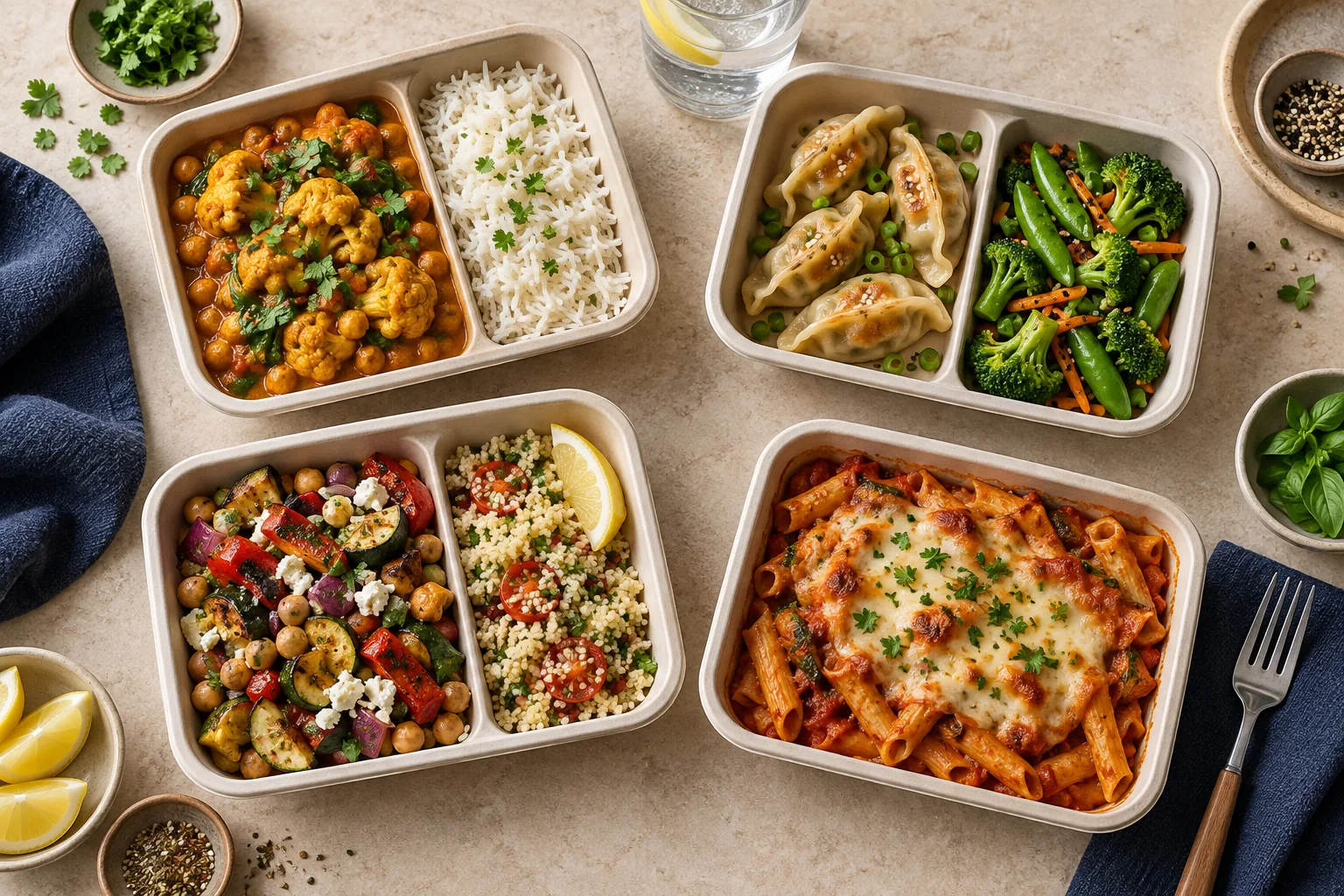
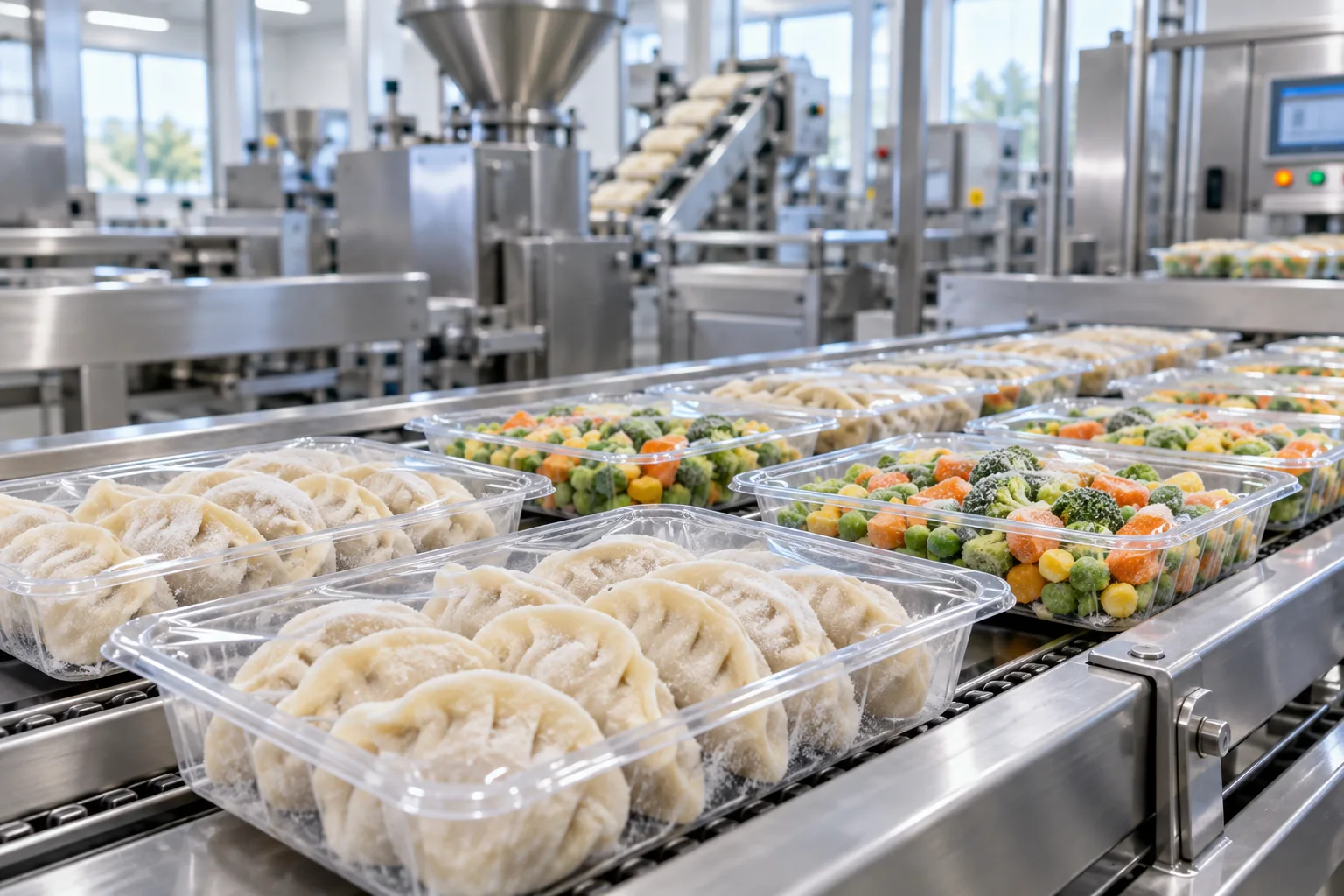
Frozen food and ready-to-eat businesses serve grocery, foodservice, institutional, private-label and co-packing markets. Reliable production, suitable shelf life and dependable temperature-controlled distribution help them meet customer needs.
The opportunity may be to combine a capable core manufacturer with regional brands, complementary products, underutilized capacity, private-label relationships and broader distribution.
Subsector focus
- Prepared meals, frozen entrées and meal components
- Soups, sauces and prepared-food formats
- Private-label and co-pack manufacturing
- Halal and ethnic food products
- Institutional, foodservice and retail-ready products
- Frozen and refrigerated logistics
- Regional operators with interprovincial potential
Platform and bolt-on benefits.
- Increase plant throughput and fixed-cost absorption
- Consolidate procurement, packaging and quality systems
- Diversify customers, products and sales channels
- Expand grocery, foodservice and institutional distribution
- Add management depth and succession continuity
- Present a clearer business case to lenders and strategic buyers
Transaction discipline
Prove the operating case.
Each benefit must be tested against customer concentration, food-safety systems, gross margin by product, labour requirements, capital expenditure, cold-chain capacity and integration risk.
Domestic sourcing and interprovincial expansion can be evaluated alongside cross-border sourcing. Tariffs, origin rules and product-specific requirements must be checked for the actual transaction date and goods involved.
Historical Canadian operating context
The market provides context. The business provides proof.
Food manufacturing capacity utilization, July 2026.
Approximate annual interprovincial goods and services trade.
Estimated potential GDP gain over time from removing all internal trade barriers.
Historical context, not a forecast for an individual business. The capacity figure is unadjusted, preliminary and marked “use with caution.” Sources: Statistics Canada, September 14, 2026; Government of Canada, April 21, 2026.
Go deeper
The Canada-for-Canada white paper.
Read the complete acquisition thesis, including the target profile, operating improvements, financing approach and principal risks.
The next step