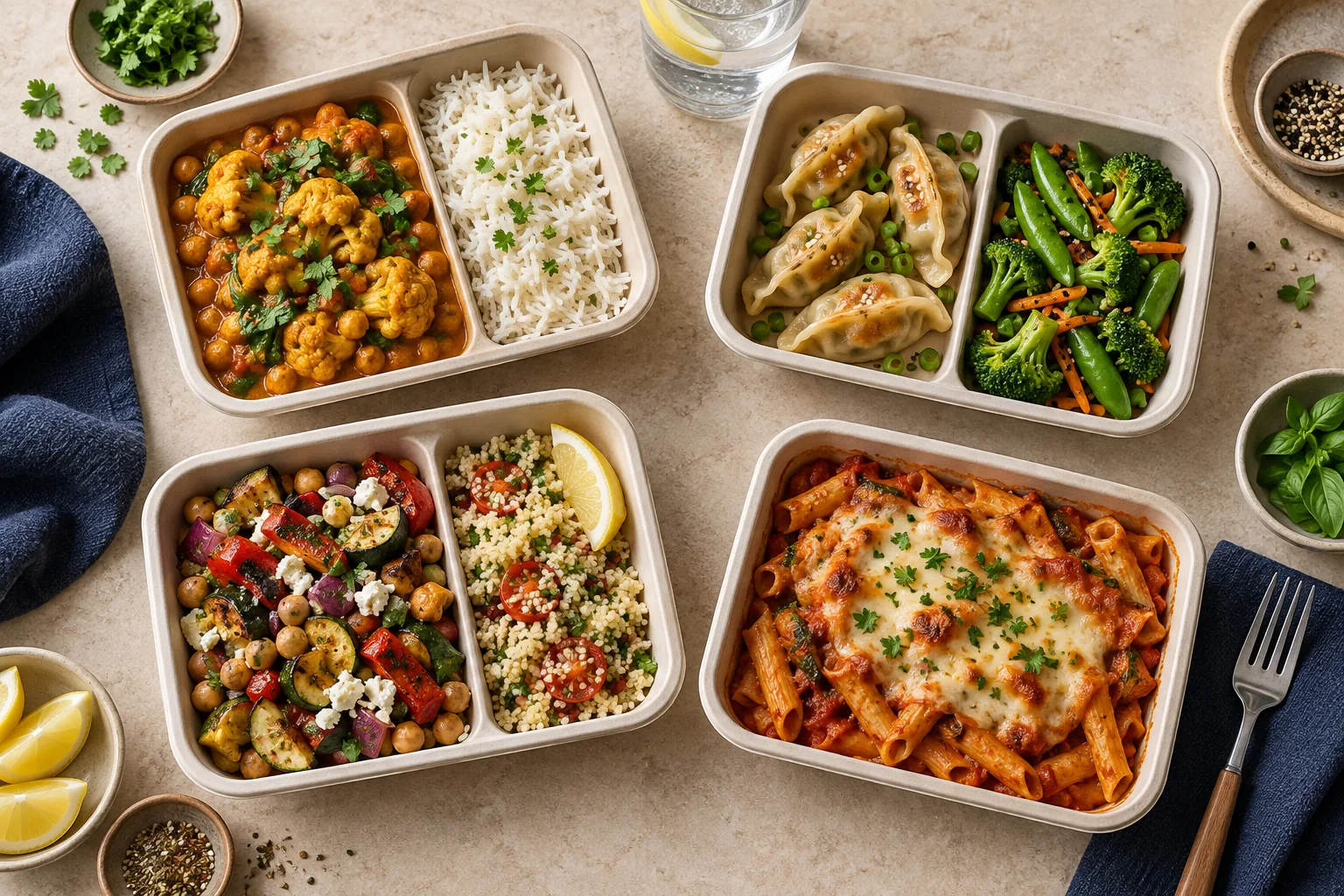
Products people come back for.
Prepared meals, regional recipes and specialty foods serving a variety of tastes and communities.
Explore our food focus →Merchant banking activities
MerchantBanker.ca helps owners and buyers prepare, structure and complete business acquisitions and sales. Our Canadian focus includes frozen food, ready-to-eat meals, ethnic foods and other manufacturing sectors.
Businesses we support
Prepared meals, regional recipes and specialty foods serving a variety of tastes and communities.
Explore our food focus →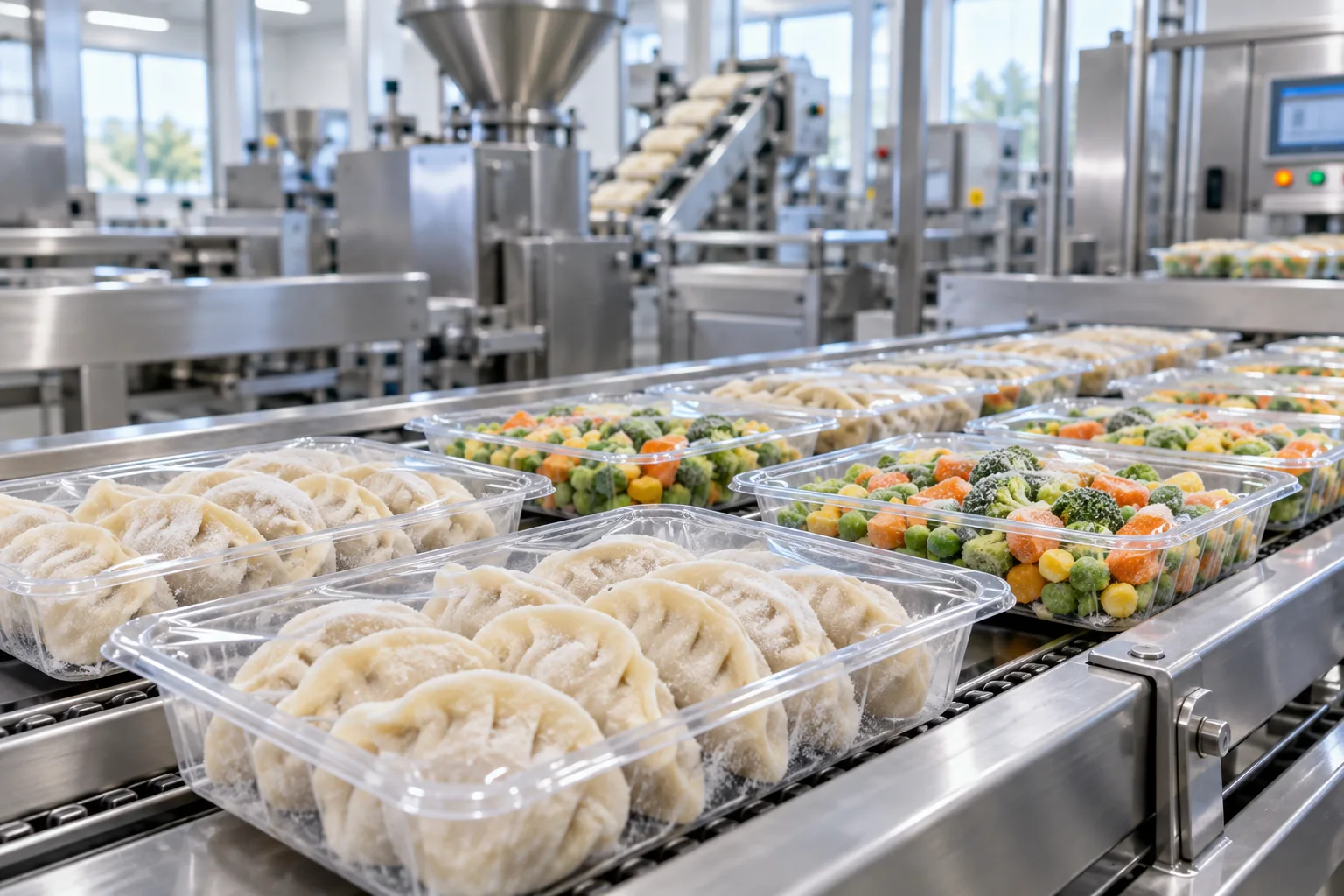
Food manufacturers with established products, dependable operations and opportunities to grow.
Food manufacturing opportunities →
Manufacturing and technology businesses considering an acquisition, sale, succession or financing.
Three transaction paths
Different commercial objectives. The same standard: a transaction that can withstand buyer, lender, investor and adviser scrutiny.
Define what should be acquired, why the combination creates value and how it can be financed. Advance qualified targets from initial screening toward a financeable acquisition.
Acquisition advisory ↗Prepare the business before exposure. Clarify owner objectives, strengthen the evidence and identify qualified counterparties through controlled outreach.
Divestiture advisory ↗Connect purchase consideration and working capital to an appropriate mix of senior debt, equity, subordinated capital and vendor participation.
Capital advisory ↗Transaction Readiness
Four decision documents turn preliminary interest into an evidence-based acquisition, divestiture or financing decision.
Is there a credible transaction pathway?
Are earnings, value and the proposed capital structure supportable?
Can the operating platform support the transaction thesis?
Can the opportunity be presented credibly to a buyer, lender or investor?
Sector focus / Canadian food manufacturing
Support the next stage of Canadian frozen food, ready-to-eat meal and ethnic food businesses. Evaluate acquisitions that bring complementary products, regional brands, private-label relationships or broader distribution.
Explore the food manufacturing thesis →Operating performance, succession, capacity, distribution and capital structure materially influence transaction value.
Each opportunity is tested against food-safety systems, gross margin by product, customer concentration, labour, capital expenditure and integration risk.
Principal-led advisory
More than 30 years of corporate development and merchant banking experience. Engagements are principal-led, with a network of investment bankers, lenders, investors, accountants, lawyers and transaction specialists assembled around the mandate.
Meet Colin and Zachary →Canadian operating context
Food manufacturing capacity utilization, July 2026.
Approximate annual interprovincial goods and services trade.
Estimated potential GDP gain over time from removing all internal trade barriers.
Historical context, not a forecast for an individual business. The capacity figure is unadjusted, preliminary and marked “use with caution.” Sources: Statistics Canada, September 14, 2026; Government of Canada, April 21, 2026.
The next step